
If the thought of a dental appointment makes your stomach drop, you’re in good company. Fear of dentistry consistently ranks among the most common fears reported in surveys, and research on the topic estimates that dental anxiety keeps a significant portion of people from seeking treatment even when they’re in pain. This isn’t a character flaw or an overreaction, it’s a well-documented, well-studied response, and modern dentistry has genuine tools to manage it.
This guide covers where dental anxiety typically comes from, what sedation and comfort options are actually available in South Africa, and how to find a practice that will take your anxiety seriously rather than rushing past it.
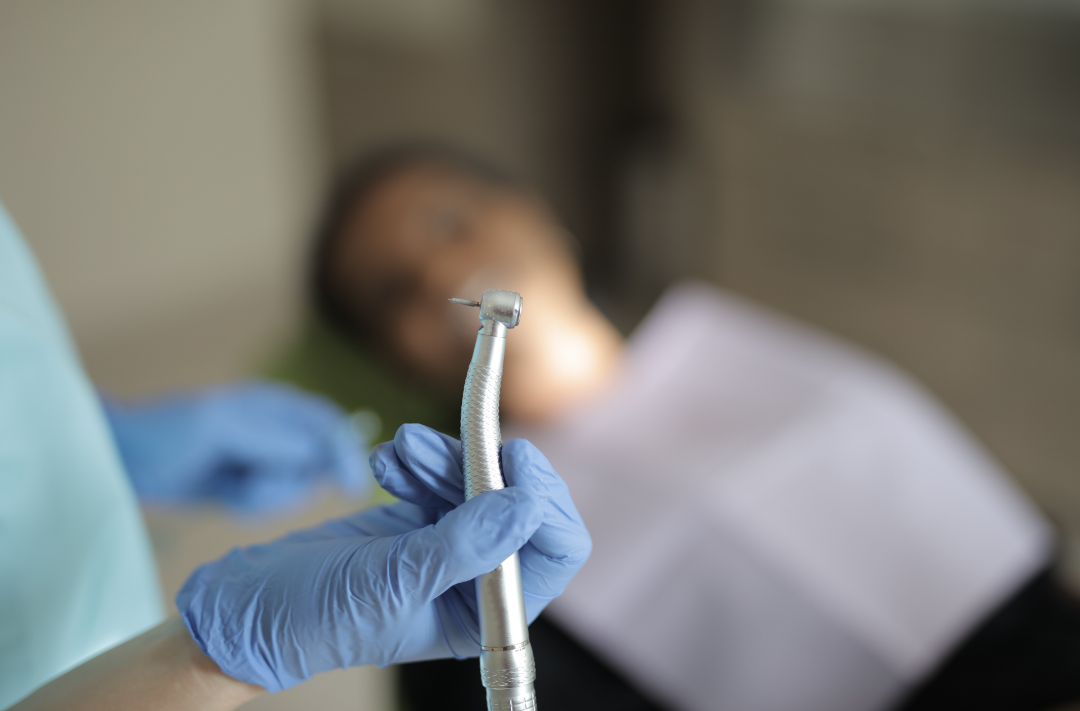
- Dental anxiety is common enough that research places it among the most frequently reported fears, and studies suggest it keeps a meaningful share of people from seeking dental care altogether.
- You’re not expected to just “push through” anxiety. South African dentists follow formal SADA guidelines for managing patient anxiety, including safe sedation options.
- Options range from simple communication-based techniques to mild oral sedatives, with local anaesthetic always remaining the primary form of pain control regardless of sedation used.
- Avoiding the dentist due to anxiety tends to make future visits harder, not easier, since untreated issues often mean more involved treatment later.
- A good first step is simply telling your dentist about your anxiety before treatment starts, not during, so they can adjust their approach from the outset.
Why Dental Anxiety Happens
- A previous negative experience, particularly one from childhood, that’s shaped a lasting association between the dentist and pain or loss of control
- Fear of pain, often based on outdated ideas about dental procedures rather than how modern, numbed treatment actually feels
- Loss of control, since lying back in a chair with someone working in your mouth is a uniquely vulnerable position for many people
- Sensory triggers, like the sound of a drill, which can activate anxiety even before any procedure has started
- Embarrassment, about the state of one’s teeth or having avoided the dentist for a long time already
Dental anxiety usually isn’t really about the treatment itself. Common underlying triggers include:
Understanding your own specific trigger can help, since it lets you communicate it clearly to your dentist, who can then adjust their approach accordingly.
You’re Not Expected to “Just Deal With It”
This is worth stating plainly: dental anxiety is a recognised clinical concern, not something patients are expected to white-knuckle through. The South African Dental Association has published formal guidelines for dentists on managing patient anxiety using sedation techniques, specifically so that anxious patients can be treated safely and comfortably in the dental chair, rather than avoiding care altogether or requiring full anaesthesia for routine procedures.
What Sedation and Comfort Options Are Actually Available?
Communication-Based Techniques
For many patients, the most effective tool isn’t medication at all. Techniques like clearly explaining each step before it happens, agreeing on a stop signal you can use if you need a pause, and simply slowing the pace of the appointment can significantly reduce anxiety without any sedation involved.
Mild Oral Sedatives
For moderate anxiety, a mild sedative taken before the appointment can help take the edge off without putting you under general anaesthesia. You remain conscious and able to respond throughout the procedure, just considerably more relaxed.
Nitrous Oxide (Laughing Gas)
Inhaled through a small mask during the procedure, nitrous oxide produces a light, quickly reversible sense of calm. Its effects wear off rapidly once the mask is removed, which is part of why it’s a commonly used option for same-day dental anxiety management.
Conscious IV Sedation
For more significant anxiety or longer procedures, intravenous sedation may be used. According to SADA’s clinical guidelines for dentists, this is administered under specific protocols by appropriately trained practitioners, with local anaesthetic still used as the primary method of pain control throughout. Full unconsciousness is not the goal; you remain responsive, but with substantially reduced awareness of the procedure and, often, limited memory of it afterward.
Not every practice offers every option above; availability depends on the dentist’s specific training and the practice’s equipment. It’s worth asking directly what’s available before you book, especially if you know you’ll need more than reassurance alone.
Tell us about your anxiety when you reach out. Procare Dental Surgery will talk you through your comfort options before you even come in.
WhatsApp Us
What Happens If You Keep Avoiding the Dentist?
This is the harder truth about dental anxiety: avoidance tends to make the underlying fear worse, not better. Skipping check-ups doesn’t stop dental issues from developing, it just means that by the time you do go in, the problem, and the anxiety about facing it, has usually grown. A small cavity that could have been a routine filling can become a more involved procedure requiring more time in the chair, which is precisely the outcome most anxious patients are trying to avoid.
Breaking this cycle usually starts with a low-stakes first step: a consultation with no treatment attached, just a conversation about your anxiety and what a calmer path forward could look like.
What to Look For in an Anxiety-Friendly Practice
- A dentist who asks about anxiety upfront, rather than only reacting once you’re visibly distressed in the chair
- A willingness to go at your pace, including breaking treatment into shorter sessions if that’s what you need
- Clear communication throughout, explaining each step before it happens rather than working silently
- Sedation options appropriate to your level of anxiety, from simple reassurance techniques through to mild sedation where genuinely needed
- A calm, unrushed environment, since a busy, rushed atmosphere tends to heighten anxiety rather than ease it
A practice that takes the time to ask how you’re feeling, and adjusts accordingly, is one worth sticking with long-term.
Book a no-pressure consultation with Procare Dental Surgery in Pretoria. We’ll work at your pace, and talk through comfort options before anything else.
Book Your Consultation
Frequently Asked Questions
Is dental anxiety actually common, or am I overreacting? It’s genuinely common. Research on dental fear consistently places it among the most frequently reported fears, and studies estimate it prevents a meaningful proportion of people from seeking dental treatment even when they need it. It’s a recognised clinical concern, not an overreaction.
What sedation options are available for anxious patients in South Africa? Options range from communication-based comfort techniques and nitrous oxide (laughing gas) through to mild oral sedatives and, for more significant anxiety, conscious IV sedation administered under South African Dental Association guidelines. Availability depends on the specific practice and the dentist’s training, so it’s worth asking directly what’s offered.
Will I be fully unconscious during sedation dentistry? No, not with the sedation options typically used for anxiety management. The goal of conscious sedation is to significantly reduce awareness and anxiety while you remain responsive throughout the procedure, with local anaesthetic still used as the primary method of pain control.
What should I do if I’ve been avoiding the dentist for years due to fear? Start with a low-pressure consultation rather than jumping straight into treatment. Tell your dentist about your anxiety upfront so they can adjust their approach, explain your comfort options, and pace the visit around what you can manage.
Sources
- South African Dental Association: SADA Guidelines for Dentists Controlling Patient Anxiety Using Responsive Sedation (PDF)
- South African Dental Association: Clinical Information & Articles of Interest
- National Center for Biotechnology Information (NCBI): Dental Anxiety and Empathy Among Undergraduate Oral Health Students in Norway, South Africa and Namibia